

Quotes & Comparison
Best Cheap Car Insurance Quotes (2026 Comparison)
A practical way to read competing price estimates side by side, spot the coverage gaps hidden inside a low number, and switch without losing protection.
Practical guides on quotes, coverage, claims, costs and state rules, written for drivers who want to understand the policy before they sign it. No jargon walls, no sales pitch.
Browse all 37 guides
A practical way to read competing price estimates side by side, spot the coverage gaps hidden inside a low number, and switch without losing protection.

A short, repeatable routine for checking price estimates fairly: match the coverage first, verify the adjustments, and only then look at the total.

How the two common policy shapes differ in what they pay for, when dropping physical damage makes sense, and what a lower premium can quietly cost you.

Why age-based pricing falls slowly, which adjustments reliably help a younger household, and how to avoid the mistakes that keep a premium high for years.

What a soft inquiry means, how insurance scoring differs from a loan application, and how to shop for estimates without worrying about a credit file.

Why three estimate forms return three different numbers for one driver, and the short routine that makes the totals genuinely comparable.

A month, a fortnight, or two days before renewal produce very different options; here is what to gather and when to use it.

Two routes to the same kind of policy, each with a different cost structure, and a short test for deciding which one fits your household.

A new address rewrites the estimate, and a new state rewrites the policy. The order you handle the paperwork in decides whether a gap appears.
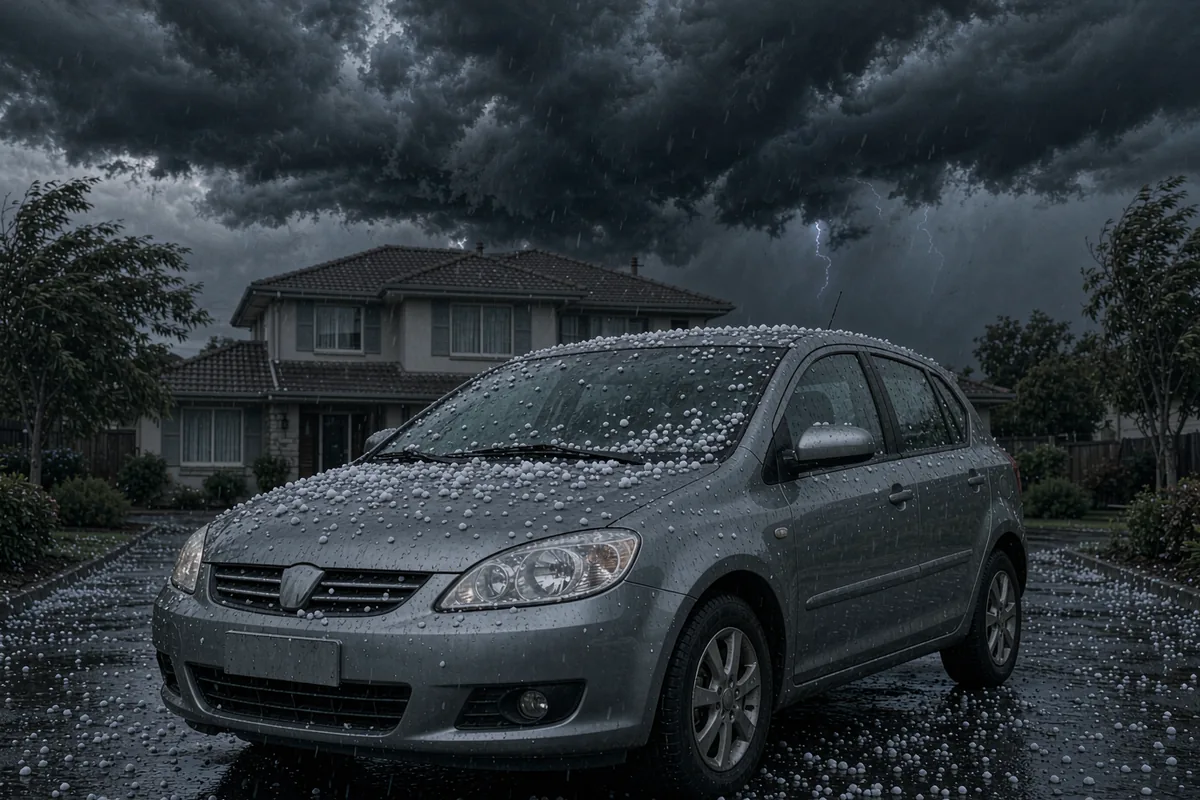
A plain-language tour of the non-collision side of a policy, including the events that qualify, the exclusions that surprise people, and how a deductible applies.

How a state filing requirement works after a serious driving incident, what it costs in practice, and the steps to get back to a standard policy.

Why a loan balance can outrun a car's value, how the shortfall is handled after a total loss, and which drivers can safely skip the extra coverage.

How personal auto policies and platform-provided coverage divide responsibility across the three phases of a driving shift, and where drivers get caught out.
A balanced look at combining two policies with one carrier: the realistic savings, the renewal dynamics, and the cases where keeping them apart works better.

What this line on the declarations page actually pays for, how it meets a collision deductible, and the questions worth asking before you sign.

Both lines mention medical bills, but they pay different people under different rules. Knowing which is which prevents an unpleasant surprise after a crash.
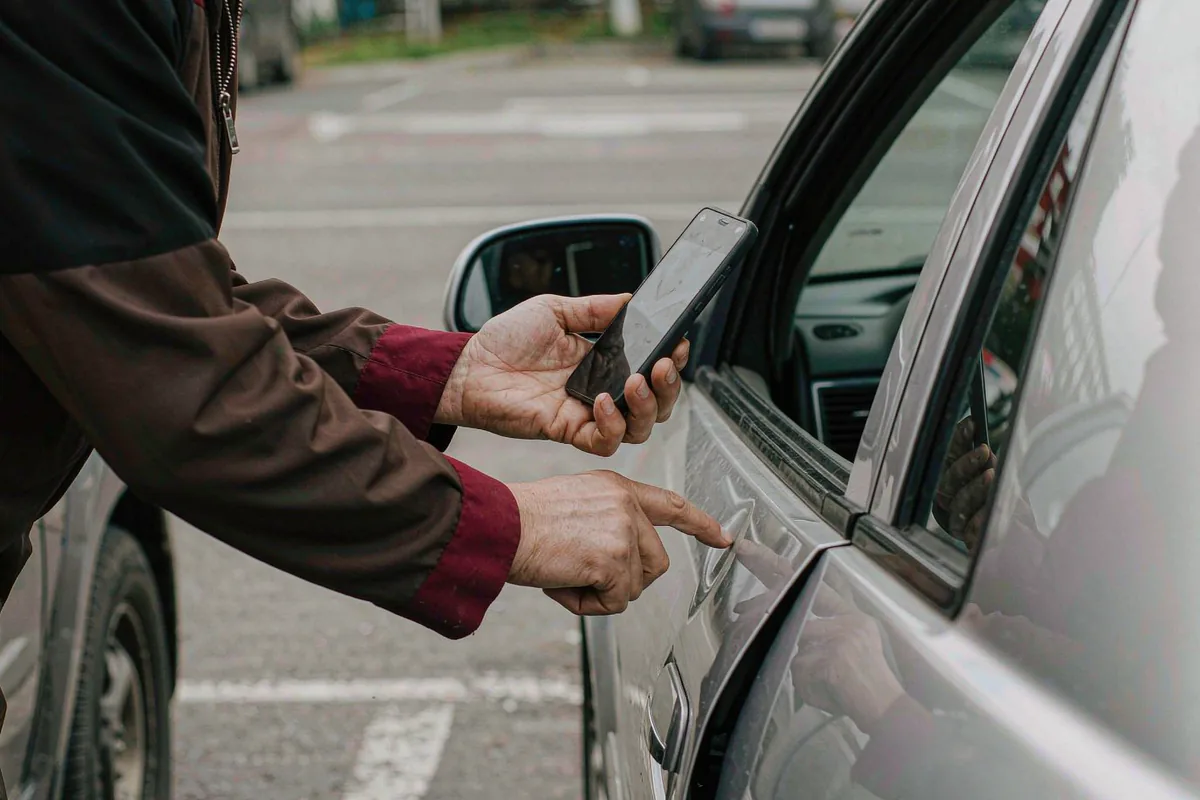
A calm sequence for reporting a crash, collecting the right evidence, working with an adjuster, and keeping the paperwork from stalling.

How to read a denial letter, separate missing paperwork from a real coverage dispute, and build a clear written appeal.

What a settlement figure is built from, why two valuations differ, and how to challenge a number that looks too low without guessing.
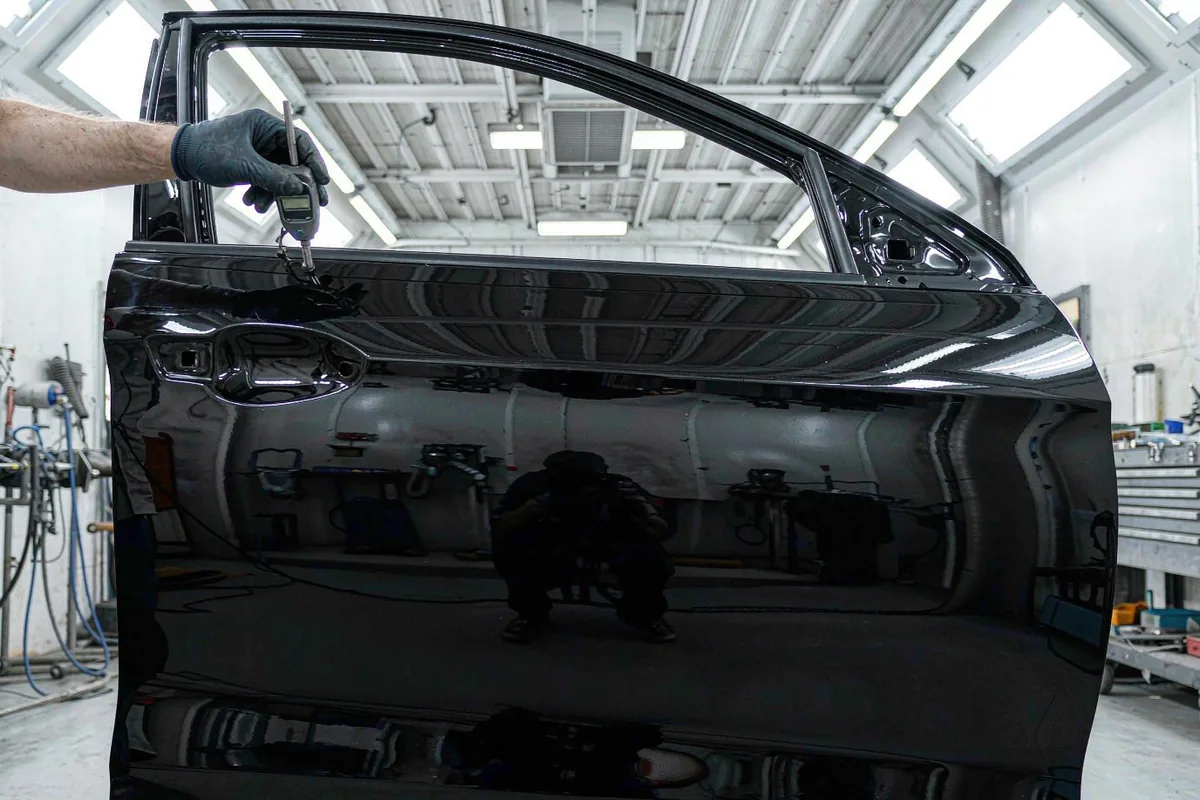
Why a repaired car can still be worth less, the three forms this loss takes, and the evidence that makes a claim credible.

How daily limits and covered days are counted, why a claim's timeline differs from a repair's timeline, and how to avoid a surprise bill.

A five-minute order of operations for documenting a crash: what to capture wide, what to capture close, and what to leave out of the frame.

Two drivers, two accounts, one file. What actually happens between the first phone call and a decision, and where your own policy may step in first.

Why the same driver can pay very different amounts across state lines, which local rules drive the gap, and how to read a statewide figure without over-trusting it.

A practical checklist of adjustments that are easy to overlook, what typically qualifies, and how to ask for each one without changing coverage.

A method for reading a renewal notice, separating household changes from market-wide repricing, and deciding whether to shop or to adjust.

When a citation reaches a policy, how long it usually stays visible, and which actions genuinely limit the damage to a premium.

How pricing works after a citation or an at-fault crash, which coverage choices still save money, and the traps in very low-priced offers.

The purchase price is only one input. Repair parts, sensors, a lienholder's requirements, and the timing of the quote all change the bill.

What a state-mandated floor actually includes, why the numbers differ across borders, and how to check the current rule for your own address.

Which part of a policy responds to a stolen or damaged vehicle, what is usually excluded, and the first steps that protect a claim.

How permissive use works, the difference between an occasional borrower and a regular driver, and what to disclose before handing over the keys.

A realistic sequence for the months after a crash you caused: protect the record, adjust the right lines, and let time do most of the work.

A readable explanation of how two different systems route injury claims, what changes at the roadside, and which coverage questions to ask.
The card, the app and the PDF are not equally useful in every situation. Here is what a roadside check and a registration counter usually accept.

The first move is not to buy a new policy. It is to take the car off the road, then find out whether a reinstatement window is still open.

A car under a cover still faces fire, theft and weather. Whether you may drop liability depends on registration rules, not on how often you drive.