
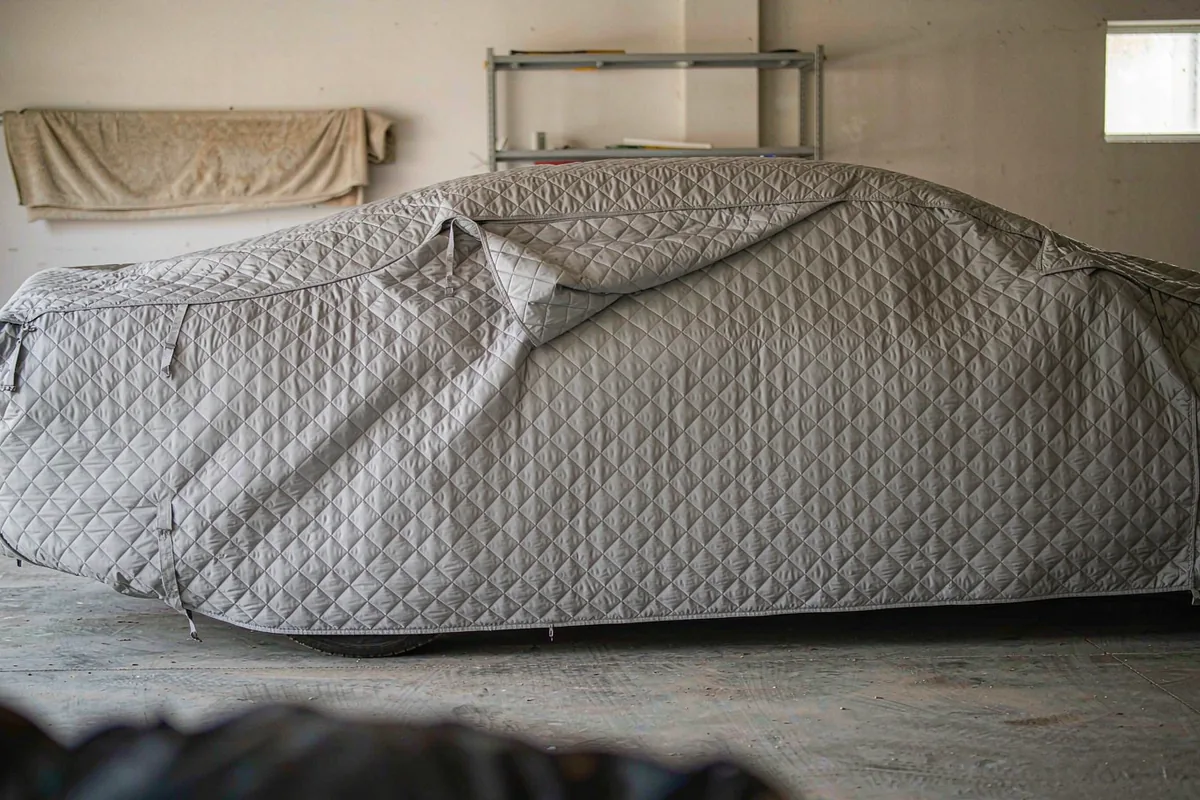
There is a car under a cover in the garage that has not moved since spring. It is registered, it is parked, and nobody is driving it. The instinct is to cancel the insurance and save six months of premium. Sometimes a reduced policy is entirely reasonable. Sometimes cancelling outright creates a registration problem, a lender problem, and a very expensive uninsured loss from a burst pipe or a theft.
Registration and coverage are separate questions
Insurance requirements are generally tied to the vehicle being registered and operated on public roads, not to how many miles you actually drive. In most states, a car that keeps its registration must keep at least the state's minimum liability coverage, even if it sits under a dust sheet. Dropping below that can trigger a notice from the motor vehicle agency, a suspended registration, and fines that dwarf the premium you were trying to save.
The clean way to reduce coverage on a genuinely retired vehicle is usually to surrender the plates or file an affidavit of non-use, following the state's procedure first. That order matters: check the rule, file what is required, and only then change the policy. Doing it backwards leaves a gap between what the agency expects and what the carrier has on file.
What comprehensive-only really means
Where it is allowed, a storage or comprehensive-only policy keeps protection against fire, theft, vandalism, falling objects, hail and similar non-collision losses, while dropping liability and collision. That is a sensible match for a car that never leaves the garage, because the risks that remain are the ones that do not require a driver. It is usually much cheaper than a full policy.
What it does not do is cover a collision, and it does not make the car legal to take onto the road for one quick errand. Ask the carrier to put in writing exactly when the vehicle may be driven and what notice is needed before reinstating full coverage. A verbal "just call us first" is not a workaround if something happens on that trip.
Talk to the DMV before you drop anything
State procedures vary. Some have a simple form for a vehicle kept off the road; others require the plates to be returned within a set number of days; a few will not accept a liability reduction at all while the registration is active. If the car is financed, the lienholder will also require physical damage coverage regardless of what the state allows, so read the loan agreement before calling the carrier.
Keep the confirmation from the agency and the endorsement from the insurer together in one folder. If a notice later arrives about a lapse, those two documents are what resolve it in a single phone call rather than a week of correspondence.
A practical pre-storage checklist
Before the car goes under cover, photograph its condition and the odometer, top up the fuel or follow the manufacturer's advice for long storage, disconnect the battery if appropriate, and check that the garage is dry and secure. Remove valuables, keep the keys somewhere separate, and make sure the insurer has the correct garaging address; a car stored at a relative's house is not the same risk as one in your own garage.
Finally, verify that the comprehensive deductible is one you could actually pay. A car that sits for months is more exposed to slow, unnoticed damage than one driven daily, and a high deductible on a stored vehicle can turn a modest claim into a write-off you chose for yourself. The goal is a smaller bill that still responds when something happens, not simply the smallest bill available.