
Trade a ten-year-old sedan for something still under warranty and the insurance bill changes, but not always in the direction people expect. A newer car can cost more to insure because it costs more to repair, or less because it stops shorter and protects its occupants better. The only reliable way to find out is to get the vehicle identified before the paperwork is signed, while there is still room to change your mind about the trim.
Why the sticker price is only part of it
Insurers care what a claim would cost, not what the car cost new. Two vehicles at similar prices can rate very differently if one uses inexpensive, widely available parts and the other needs a specialist and a calibrated sensor after a minor parking-lot tap. Claim frequency for that model, theft rates in your area, and the typical cost of a body shop visit all feed into the number attached to the vehicle.
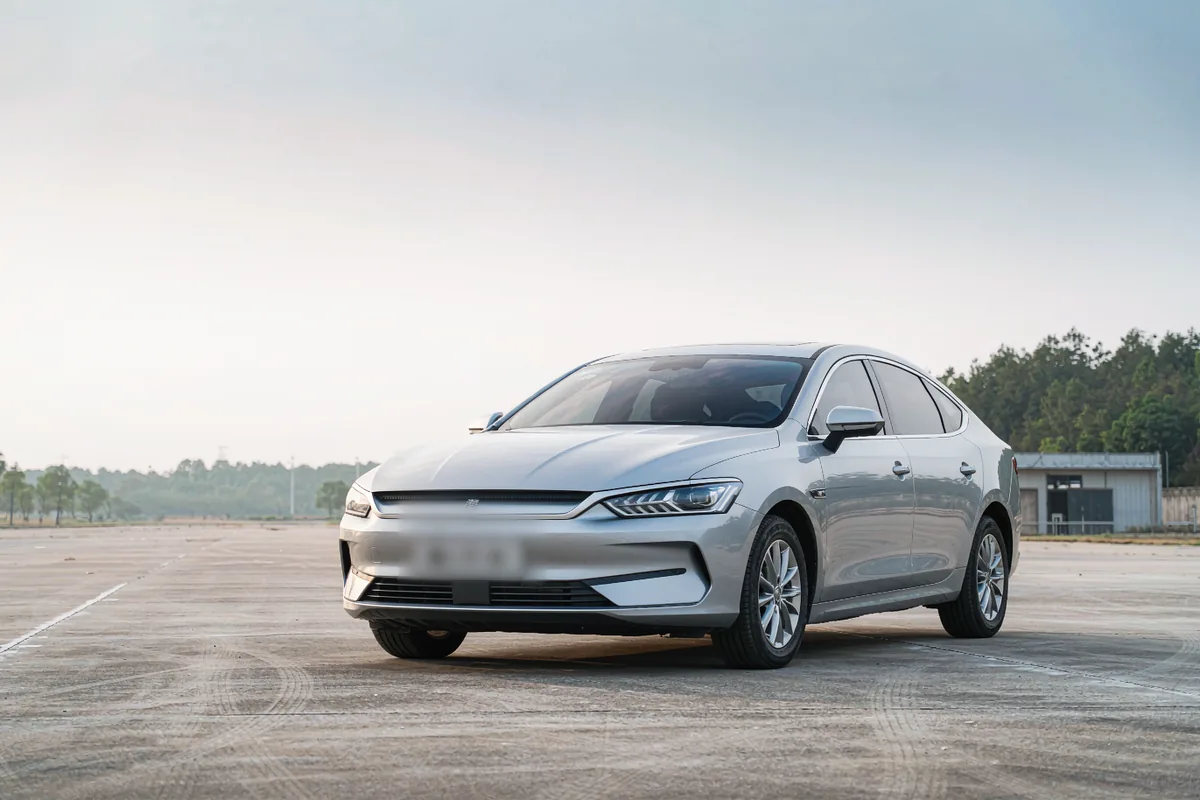
This is also why a sportier trim on the same nameplate can carry a noticeably different price. Bigger wheels, a more powerful engine, and a different body kit each change both the likelihood and the size of a claim. Ask about the exact trim, not just the model name, when you request an estimate.
Repair costs, parts and sensors
Modern driver-assistance hardware has moved a lot of expense into places that used to be cheap to fix. A windshield may now house a camera that needs recalibration. A bumper may hide radar units. Even a small collision can produce a repair order with several line items that did not exist a decade ago. None of this means the car is a bad purchase; it means the physical damage portion of the policy is being priced against a more expensive repair.
Ask the dealer for the VIN and give it to your carrier or agent before delivery. An estimate built on the VIN is far more accurate than one built on a model name typed into a form, and it avoids the awkward conversation when the first bill arrives higher than the number you were quoted at the showroom.
The lienholder's coverage requirements
If the car is financed or leased, the lender will usually require collision and comprehensive coverage, often with a ceiling on the deductible. That requirement sits on top of whatever the state asks for, and it is not negotiable at the dealership. It also explains why a paid-off older car can be inexpensive to insure while its replacement is not, even for the same driver with the same record.
Make sure the lender is listed correctly on the new policy. A missing lienholder clause is a paperwork problem that tends to surface at renewal or after a total loss, and both are inconvenient times to sort it out. Ask for the declarations page and read that line before you file the dealer's documents away.
Quote the car before you sign
Ask for two or three estimates with matched limits and deductibles a day or two before delivery. If the difference between two trims is meaningful, you can weigh it while the choice is still open rather than discovering it a month later. Check whether an existing multi-car or loyalty adjustment transfers, and whether the new vehicle changes a low-mileage or usage-based discount you currently receive.
One trap is comparing only the monthly figure. A higher deductible can make a new car look affordable while leaving you with a large cash requirement on the day of a claim. Set the deductible at an amount you could actually produce on short notice, then compare the totals. And keep continuous coverage: never let the old policy lapse before the replacement car is added and confirmed in writing, since a single day without protection can undo months of careful shopping.