
The number in a settlement offer is not a guess and it is not a favor. It is the output of a defined method: a vehicle's market value immediately before the loss, adjusted for mileage, condition, options and local comparable sales, minus any deductible and subject to the policy's terms. Understanding the inputs is the only practical way to argue with the output.
When a repair becomes a valuation
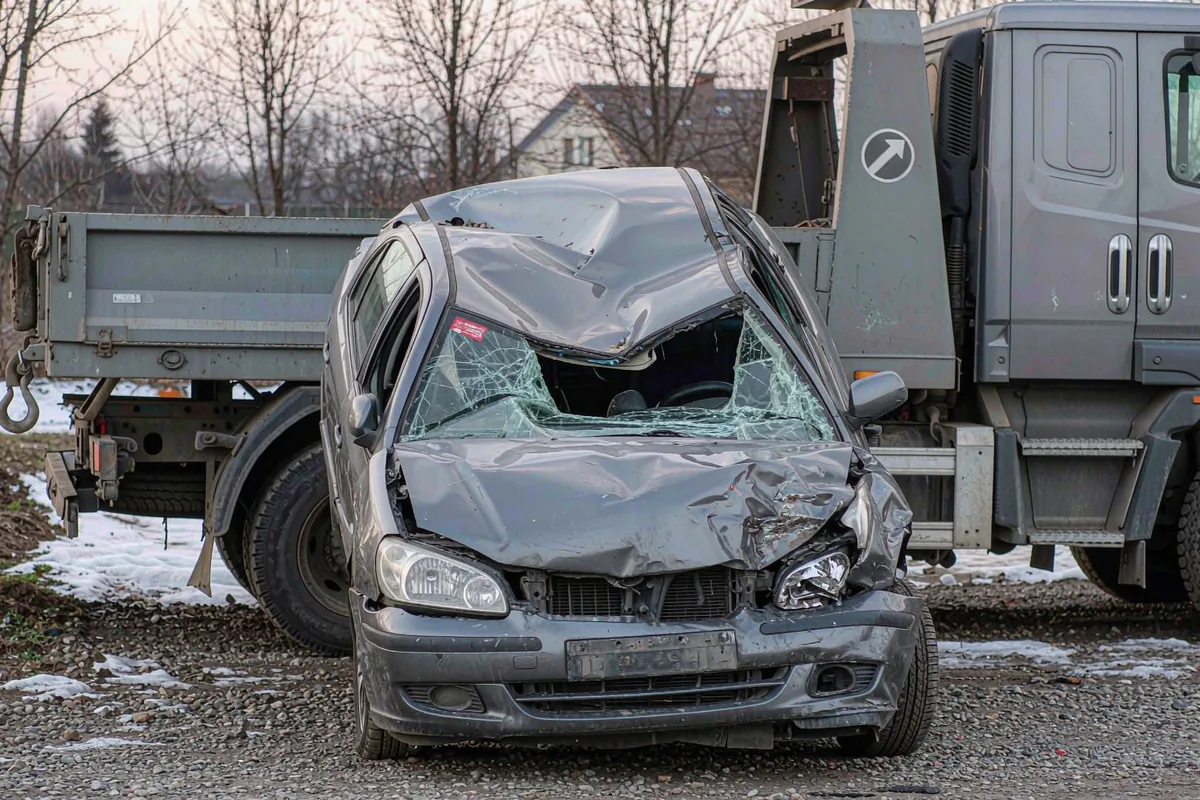
A vehicle is generally treated as a total loss when repair cost plus salvage value approaches or exceeds its pre-loss value, or when a state threshold written into law is met. The threshold differs by state, so the same damage estimate can be repaired in one jurisdiction and settled as a loss in another. Ask which rule applies to your file and how the salvage figure was calculated.
Two valuations can honestly disagree because they use different comparables. One report may lean on dealer asking prices for similar trim and mileage in a nearby metro area; another may lean on private-sale figures from a wider radius. Asking prices and completed sale prices are not the same thing, and a rural market with thin inventory produces noisier numbers than a dense one.
The documents that actually move a number
Gather the current mileage, the trim and option list, recent maintenance receipts, new tires, a replaced battery, and photographs showing the interior and exterior before the loss. A well-kept car with service records is easier to place in the upper part of a condition range than one with no history. Keep the original advertisement or window sticker if you still have it.
- Request the full valuation report, including every comparable used.
- Check mileage, trim, options and condition grades line by line.
- Find three to five local listings for genuinely similar vehicles.
- Submit receipts for recent mechanical work or new tires.
- Ask how the deductible and any salvage deduction were applied.
Reading the report without a fight
Start with errors, not adjectives. A misrecorded trim, a missed sunroof, or mileage entered a digit wrong is easy to correct with a photograph. A disagreement about whether the paint was in good condition is harder, so lead with the objective items. Send one organized packet with a short cover note rather than five separate messages across a week.
If the gap remains, many policies include an appraisal clause: each side names an appraiser, and a third person resolves the difference if they cannot agree. Read that clause before invoking it, since you generally pay for your own appraiser. For a difference of a few hundred dollars, the cost may outweigh the gain; for several thousand, it is often worth doing.
Loan balance and ownership details
The settlement goes to the lender first if the car is financed, and any remaining balance stays your responsibility unless separate protection was purchased. Ask for a written payoff figure valid through the expected settlement date, because interest keeps accruing. If the vehicle is owned outright, confirm who signs the title and when the payment is issued.
Deciding whether to keep the damaged vehicle changes the math. Retaining it usually means a salvage title, a reduced settlement, and a repair path that must satisfy state inspection rules before it can be registered again. That route is rarely simple, and a buyer should price the hassle honestly before choosing it.
One last practical point: storage charges keep running while a valuation is disputed. Ask the adjuster to move the vehicle to a yard where fees are covered, or to confirm in writing who pays for each day. A settlement that rises by $800 and a storage bill that grows by $600 is not much of a win.