
The first few minutes after a collision are a bad time to be methodical. Your hands are not steady, traffic is still moving, and someone is usually asking whether you are all right. A short mental checklist helps more than any amount of determination. You are not building a legal case at the roadside; you are simply preserving facts that will be gone by the time the cars are driven away.
Start wide, then move closer
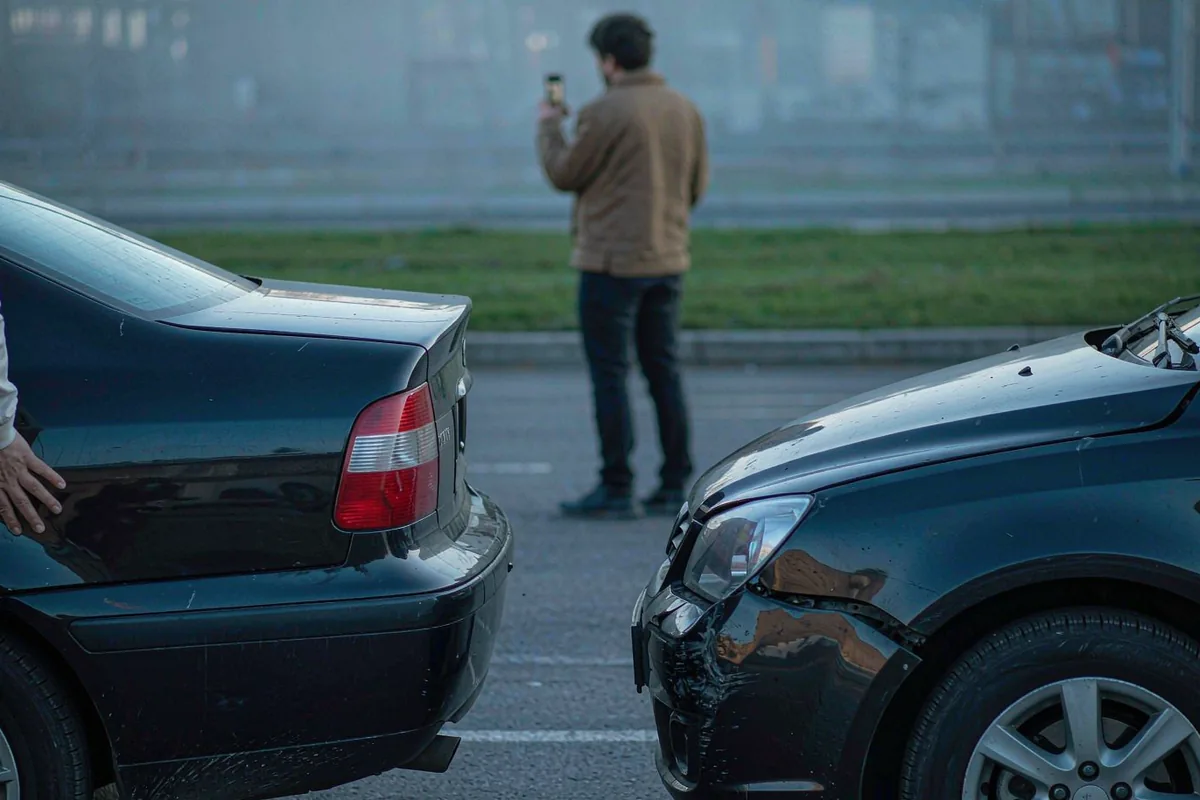
Begin with the whole scene from a safe distance: both vehicles, their positions relative to the lane or the parking space, traffic signals, stop signs, skid marks, and the weather. Take the same view from two angles. A wide frame establishes context that a close-up of a dent cannot, and it is the frame an adjuster reaches for first when two drivers describe the same intersection differently.
Then move in. Photograph the damage on each car separately, with enough of the surrounding body panel visible to show where the damage sits. Include the license plate of the other vehicle, but do not photograph the other driver's face or their documents at close range; asking for the information and writing it down is both more useful and less likely to start an argument.
The documents that belong in the frame
A clear photo of the other driver's insurance card and registration is worth more than a hurried note on the back of a receipt. Capture the full card, check that the effective dates and policy number are legible on your screen, and take a second shot if anything is blurred. Photograph their driver's license only if they agree, and keep those images private; they are for your carrier, not for a group chat.
Do the same for your own documents so you have a timestamped record of what was in the car. If a police officer responds, ask for the report number and the precinct or agency name before you leave. That single number saves a lot of searching later.
Details people forget until later
Time of day, light conditions, road surface, and anything that might have limited visibility are easy to lose from memory. Photograph the intersection from the approach each driver used. If a witness stops, ask for a name and phone number rather than a detailed statement; your carrier can follow up. Note the presence of any nearby camera on a building or traffic pole, since that footage may be overwritten within days.
Damaged items inside the car, a deployed airbag, or a child seat that was in use at the time are all worth a frame. Those details can matter to a claim long after everyone has forgotten what the back seat looked like.
A five-minute order of operations
Check that everyone is safe and move out of traffic. Call for help if anyone is hurt. Then: wide shots, position shots, damage on both cars, documents, the surrounding signs and signals, and finally a short voice memo to yourself describing what happened while it is fresh. Exchange information, avoid debating fault, and report the claim promptly once you are somewhere calm.
What you should not do is post the photos, annotate them with accusations, or give a recorded statement before you have had a chance to read your own notes. Facts first, interpretation later. A clean set of images lets the adjuster do their job; a running commentary tends to make the file harder to sort out, and anything you write can be read back to you months afterward.