
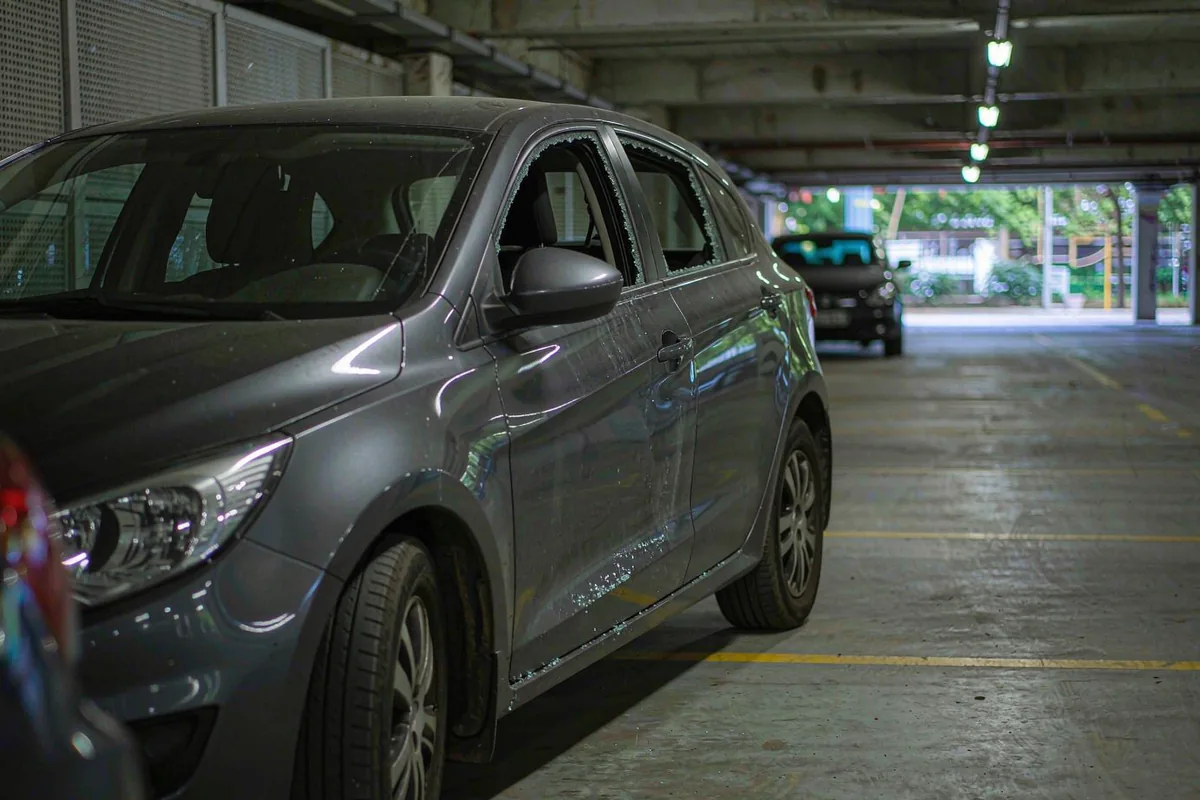
A car parked on the street overnight is gone by morning, or a side window is smashed and glass covers the passenger seat. The first question is practical rather than legal: which part of the policy pays, and what will the adjuster need? The answer depends almost entirely on whether physical damage coverage was purchased.
The coverage that responds
Theft of the vehicle, damage from vandalism, a broken window, a stolen catalytic converter, and a keyed door generally fall under the non-collision portion of a policy, usually called comprehensive. A liability-only plan does not pay for any of them, because it covers harm done to other people rather than damage to your own car. The deductible applies to each event, so a small repair bill below that amount is usually paid out of pocket.
Personal items left inside the car are a different matter. A laptop, a camera, a bag, or tools stored in the trunk are typically handled under a renters or homeowners policy, subject to that policy's own deductible and any limit on items away from home. Many people only learn this after filing twice. Check the off-premises limit before assuming the auto claim covers everything that disappeared.
A short sequence at the scene
- Call the police and obtain a report number before cleaning anything up.
- Photograph the damage, the vehicle position and any broken glass.
- Note the time, location and anything missing from the vehicle.
- Tell the carrier promptly and ask which deductible applies.
- Keep repair estimates and any towing or storage receipts together.
If the car is stolen, report it to the police first and give the carrier the report number, the license plate, the vehicle identification number, and a description of any tracking device. Insurers commonly allow a waiting period of a few days to see whether the vehicle is recovered before treating it as a total loss. Ask how that period is counted and whether a rental is covered during it.
Common exclusions that surprise people
A theft that occurs because the keys were left in the ignition, or a loss caused by someone who lives in the household and regularly uses the car, can be treated differently from a stranger's theft. Deliberate damage by the policyholder is never covered. A vehicle used for hire without an endorsement, or one with an undisclosed modification, may also run into an exclusion.
Custom wheels, a sound system, a roof box, or specialized work equipment can exceed the standard limit for aftermarket parts. If any of those are fitted, ask whether they are scheduled on the policy and keep the purchase receipts. A four-figure stereo that was never listed is a predictable source of disagreement at settlement time.
Fraudulent claims are taken seriously, so keep the account factual: what you saw, when you saw it, and what the police recorded. An adjuster is far more helpful when the file is tidy than when it is dramatic.
Prevention that shows up in the price
An approved anti-theft device, a locked garage, or a tracker can earn a modest credit in some markets, and it clearly reduces the chance of an unpleasant morning. Ask which devices qualify before buying one; not every aftermarket gadget is recognized. Also check whether the garaging address on the policy still matches where the car actually sleeps.
The broader lesson is simple. Read the physical damage line on the declarations page once a year, and decide deliberately whether the deductible is still sensible. That one line answers most of the question long before anything happens.